
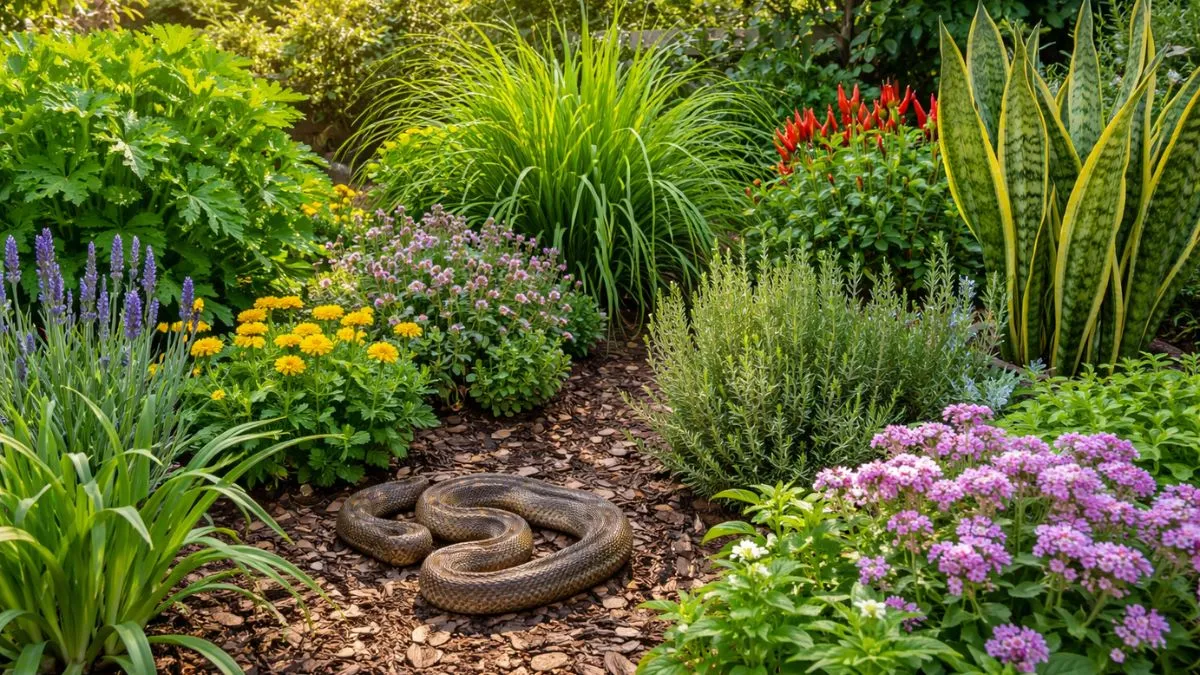
Your garden is more than a patch of soil with flowers and vegetables. It is a peaceful corner where families relax, where children often run barefoot, and where many people enjoy quiet evenings with a cup of tea.
Gardening is usually done with care and affection, but sometimes a garden can unintentionally attract wildlife—including snakes.
Many homeowners are surprised to learn that certain landscaping choices can create ideal hiding spots for snakes. Experts say that thick, low-growing shrubs and dense ground cover plants often provide the cool, shaded spaces snakes prefer
Understanding how snakes interact with your garden environment can help you design a safer outdoor space while still keeping it lush and beautiful.
Why Snakes Are Attracted to Certain Gardens?
Snakes do not choose a garden because of colourful flowers or pleasant fragrances. Instead, they are attracted to the conditions that help them survive. Like most wildlife, snakes search for two main things: shelter and food.
Gardens with dense vegetation, thick hedges, or heavy ground cover offer ideal hiding places. The shaded areas beneath these plants remain cool during hot days and protect them from predators. Moist soil and shaded corners also attract insects, frogs, and small rodents—common prey for snakes.
When these elements combine in one place, a garden can unintentionally become a comfortable habitat for snakes.
Fortunately, careful landscaping can reduce the chances of snakes settling in your yard.
Plants That May Help Deter Snakes Naturally
While no plant can guarantee a completely snake-free garden, some varieties are believed to help discourage them due to their strong scents, textures, or insect-repelling properties.
Adding these plants around walkways, borders, and garden edges may help make your yard less appealing to snakes.
1. Lemongrass
Lemongrass is widely known for its strong citrus fragrance. The intense aroma may irritate the sensory organs of snakes, making the area less attractive for them. Additionally, this plant also helps repel mosquitoes and other insects.
2. Basil
Basil is a common herb used in cooking, but it may also help in pest management. Its strong scent can deter several insects, which indirectly reduces the food sources that attract snakes.
3. Marigolds
Marigolds are bright, cheerful flowers that gardeners love for their ability to repel pests. Their distinctive smell may discourage insects and small animals, which can reduce the likelihood of snakes visiting the area.
4. Snake Plant
Despite its name, the snake plant is often recommended for keeping snakes away. Its stiff, upright leaves create a sharp texture that snakes may avoid crawling through.
5. Garlic
Garlic plants produce a powerful smell due to the sulfur compounds they release. This strong scent can irritate snakes and other garden pests.
6. Onion
Like garlic, onions release pungent compounds into the soil and air. Planting them around garden borders may create an environment that snakes prefer to avoid.
7. Wormwood
Wormwood has a very strong aroma and bitter taste. This herb is known to repel several insects and animals, potentially making it less inviting for snakes.
8. Mother-in-Law’s Tongue
Another name for the snake plant, this hardy plant features tall, sharp leaves that may discourage snakes from slithering through dense patches.
9. Society Garlic
Society garlic has a garlic-like smell that many pests dislike. Its strong scent may also deter reptiles from lingering in garden beds.
10. Pink Agapanthus
Agapanthus plants have dense root systems and thick foliage. Some gardeners believe their structure and scent may discourage snakes from settling nearby.
Smart Gardening Practices to Reduce Snake Activity
Planting snake-repelling plants is helpful, but maintaining your garden properly is even more important. Experts recommend several simple landscaping habits that can reduce the likelihood of snakes visiting your yard.
Keep shrubs and hedges trimmed so that there are fewer shaded hiding places near the ground. Remove piles of leaves, logs, or debris where snakes might hide. Maintain a clean lawn and avoid leaving tall grass uncut for long periods.
Proper lighting around pathways and entrances can also help homeowners spot wildlife more easily at night.
Creating a Balanced Garden Environment
Snakes are an important part of the ecosystem because they help control pests such as rodents. However, most people prefer to keep them away from areas where children play or where families spend time outdoors.
With thoughtful plant choices and regular garden maintenance, it is possible to create a landscape that is both beautiful and less appealing to snakes.
Instead of removing nature from your garden, the goal is simply to manage it wisely.
Creating a Snake-Resistant Garden Naturally
A garden should feel like a relaxing and safe space for everyone who enjoys it. While dense vegetation and cluttered corners may unintentionally attract snakes, small changes in landscaping can make a big difference.
Planting aromatic herbs like lemongrass, basil, and garlic, along with pest-repelling flowers such as marigolds, may help reduce the chances of snakes settling nearby.
When combined with proper garden maintenance—such as trimming shrubs, removing debris, and keeping lawns tidy—these plants can support a safer outdoor environment.
FAQs
Do plants really keep snakes away from gardens?
Certain plants with strong scents or sharp textures may discourage snakes, but proper garden maintenance is the most effective prevention method.
Why do snakes enter residential gardens?
Snakes usually enter gardens searching for shelter, shade, and food such as rodents, frogs, or insects.
What garden conditions attract snakes the most?
Overgrown shrubs, tall grass, cluttered corners, and piles of leaves or wood can create ideal hiding places for snakes.