
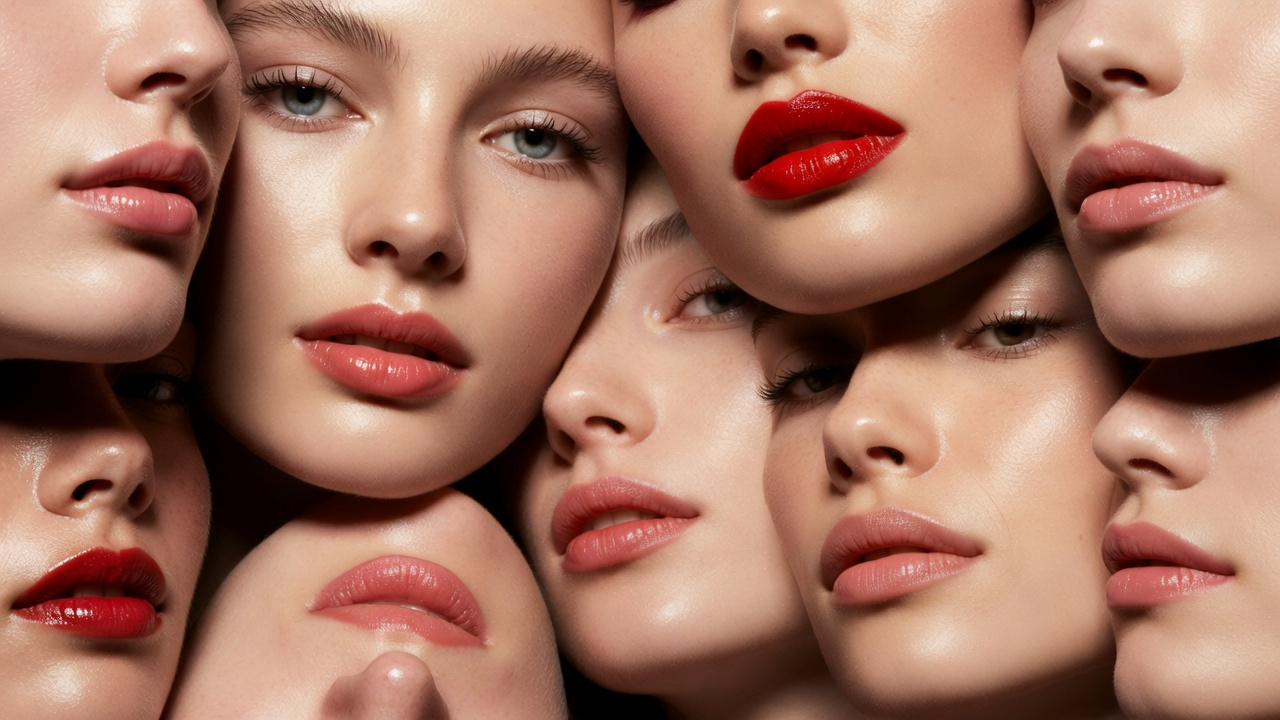
Choosing the perfect lipstick shade can instantly transform your look. Whether you want a natural daytime glow or bold evening glamour, certain shades are universally flattering. In 2026, beauty experts have identified 27 lipstick colours that complement nearly every skin tone.
This article explores these shades, why they work, and how to wear them for stunning results.
Why Some Lipstick Shades Flatter Everyone
Some lipstick shades are naturally flattering across all complexions because they balance undertones, enhance natural lip colour, and provide a polished look.
Shades that are neither too warm nor too cool often suit all skin tones. Creamy and satin finishes enhance the natural lips, while colours with balanced depth add contrast without overpowering the face.
Key factors that make a shade universally flattering:
- Balanced Undertones – Shades that are neutral or well-balanced between warm and cool tones.
- Pigmentation and Texture – Creamy or satin finishes generally work best.
- Contrast and Depth – Colours that highlight lips naturally without clashing with skin tones.
How To Choose The Right Universal Lipstick Shade
Before exploring the full list, here are quick tips:
- Classic Reds: True reds with balanced undertones brighten teeth and complement all skin tones.
- Rose Pinks: Soft rose shades enhance lips naturally.
- Neutral Nudes: Beige or soft mauve nudes suit both fair and deep complexions.
- Berry Shades: Rich berries add sophistication and depth.
27 Stunning Lipstick Shades Everyone Can Wear
| Shade Name | Shade Description | Why It Works on Everyone |
|---|---|---|
| Classic True Red | Balanced red with neutral tones | Brightens teeth and complements all undertones |
| Deep Wine | Rich wine red | Works for day or night with depth |
| Blue‑Red Cherry | Cool red with blue base | Enhances facial contrast |
| Peachy Nude | Soft peach | Adds warmth without overpowering |
| Rosy Nude | Pink-based nude | Freshens lips naturally |
| Mauve Neutral | Soft mauve | Ideal for subtle everyday wear |
| Neutral Brown | Beige-brown | Flattering neutral base shade |
| Bold Berry | Deep berry red | Universally flattering dramatic option |
| Soft Rose | Light rose tint | Enhances natural lip tone |
| Classic Ruby | Vibrant red | Timeless favourite across tones |
| Coral Pink | Warm coral | Brightens complexion without clash |
| Brick Red | Earthy red | Deep and flattering for cooler seasons |
| Berry Plum | Dark plum | Adds richness to all complexions |
| Champagne Nude | Shimmery nude | Softly brightens lips |
| Soft Pink | Classic pink | Perfect for everyday elegance |
| Natural Beige | Light beige | Neutral yet beautiful |
| Brick Brown | Tan brown | Earthy shade suits warm and cool tones |
| Mulberry | Deep red-purple | Sophisticated and striking |
| Nude Peach | Light peach | Soft and subtle for everyday wear |
| Rosy Brown | Warm rosy brown | Gently enhances warm undertones |
| Dusty Rose | Muted rose | Softly elevates natural lip colour |
| Brick Orange | Orange-red mix | Energetic and flattering on warm tones |
| Wine Berry | Deep wine berry | Bold yet universally flattering |
| Neutral Pink | Muted pink | Balanced shade for any occasion |
| Satin Nude | Glossy nude | Light sheen suits many looks |
| Cool Berry Pink | Cool pink | Adds cool contrast to warm skin |
| Matte Nude Taupe | Taupe nude | Subtle yet elegant |
Finding a universal lipstick shade is about understanding how colour works with skin tone, undertones, and natural lip colour. The 27 shades above — ranging from classic reds and muted nudes to rich berries and soft pinks — offer options for every occasion. With the right choice, your lipstick becomes a defining part of your signature style.
Frequently Asked Questions
Can one lipstick shade really suit everyone?
Yes, balanced shades like true reds, soft roses, and peachy nudes tend to flatter nearly all skin tones.
What finish works best for universal lipstick shades?
Creamy, satin, and balanced matte finishes are most flattering because they enhance natural lip colour.
How should I pick a shade for my complexion?
Identify your undertone — cool, warm, or neutral — and select a shade that balances or complements it. Neutral shades often work across all skin tones.