
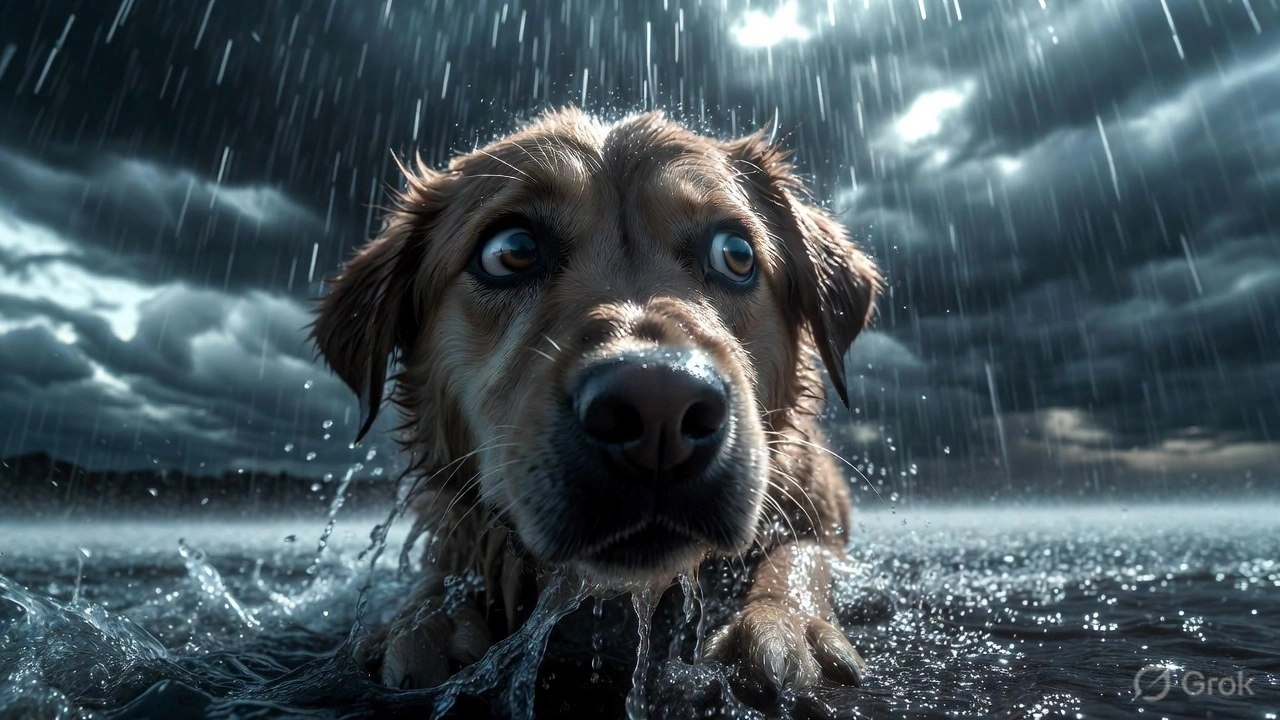
Dog Owners: When it rains for days without stopping, most of us just feel tired or annoyed. But for your dog, nonstop rain can quietly create much bigger problems. Walks become shorter, routines change, and energy builds up inside the house. Experts say this is exactly when dog owners need to act smart.
If outdoor time is reduced, you must create indoor alternatives to protect your dog’s physical health and mental wellbeing.
Let’s understand why rainy weather affects dogs more than we think — and what you can do about it.
How Heavy Rain Disrupts Your Dog’s Routine
Dog Owners: Dogs love routine. They feel safe when walks happen at the same time and in the same places. But when there is continuous rain, owners often:
- Skip walks
- Cut them short
- Avoid parks
- Stay indoors for long hours
This sudden change can cause stress, anxiety, and pent-up energy, especially in young or active dogs.
You may notice signs like:
- Barking more than usual
- Chewing furniture
- Licking paws repeatedly
- Restlessness or pacing
- Demanding constant attention
These are not “bad” dogs. They are simply under-stimulated dogs trying to release energy.
Why Skipping Walks Can Backfire
Many owners think, “It’s just a few days. My dog will be fine.” But reduced movement can cause several issues.
| Problem | What Happens |
|---|---|
| Less Exercise | Weight gain and weak muscles |
| Boredom | Destructive behaviour |
| No Outdoor Exposure | Increased fear of sounds and smells |
| Routine Changes | Higher anxiety levels |
| Storm Noise | Fear from thunder and wind |
Storm sounds can also trigger storm anxiety. Dogs may tremble, hide, or refuse food during heavy thunder.
Indoor Alternatives That Actually Work
Experts say the solution is simple: replace outdoor time with structured indoor enrichment.
Brain Games That Tire Your Dog
Mental exercise can drain energy just like physical activity.
Try these:
- Sniffing games – Hide treats around the house.
- Scatter feeding – Spread food on a mat so your dog searches.
- Puzzle toys – Use treat balls or feeders.
- Short training sessions – Practice sit, stay, paw, or new tricks.
Five-minute sessions done 3–4 times a day can make a big difference.
Safe Indoor Physical Activities
Different dogs need different levels of movement.
| Type of Dog | Indoor Activity |
|---|---|
| Puppies | Gentle tug-of-war, soft fetch on carpet |
| Active Adult Dogs | Hallway fetch, step-ups, controlled tug |
| Senior Dogs | Calm scent games, light stretching |
Avoid throwing balls on slippery floors. Sudden movements can cause joint injuries.
Outdoor Risks During Rainy Weather
Even short outdoor trips come with hidden dangers.
Puddles Are Not Always Safe
Puddles may contain:
- Road chemicals
- Bacteria
- Parasites
Always rinse your dog after muddy walks and check for skin irritation or stomach problems.
Damp Fur Can Cause Infections
Wet fur creates ideal conditions for bacteria and yeast.
Pay attention to:
- Between toes
- Under legs
- Ear folds
Dry your dog thoroughly after walks. Dogs with floppy ears are more prone to ear infections.
Joint Problems and Cold Weather
Wet and slippery surfaces increase the risk of falls, especially for:
- Puppies
- Senior dogs
- Dogs with arthritis
Repeated slips can worsen joint problems.
Small or thin-coated breeds lose body heat faster. A waterproof coat can prevent chilling and possible hypothermia.
Helping Dogs With Storm Anxiety
Some dogs fear thunder and wind.
Signs include:
- Shaking
- Hiding
- Panting
- Clingy behaviour
Helpful tips:
- Close curtains during lightning
- Play soft background music
- Create a safe, quiet space
In serious cases, consult a vet about calming solutions.
Planning Ahead for Rainy Weeks
Experts suggest thinking ahead.
- Keep puzzle toys ready
- Split meals into smaller sessions
- Schedule short training breaks
- Keep towels and coats dry
Ask yourself:
If we stay indoors all week, will my dog get enough movement, mental exercise, and comfort?
That simple question can prevent behaviour problems before they start.
Rainy weeks are not just uncomfortable for humans — they can deeply affect a dog’s physical and emotional balance. When regular walks are reduced, dogs lose both movement and mental stimulation. This can lead to stress, destructive behaviour, weight gain, and even infections from damp conditions.
The key is not to eliminate activity, but to replace it wisely. By adding indoor brain games, safe exercise, and emotional support during storms, owners can protect their dog’s health even when the weather is harsh.
Planning ahead makes all the difference. A rainy season does not have to become a stressful season — if you respond the right way.
FAQs
Is it okay to skip dog walks for a few days during heavy rain?
For calm or older dogs, short breaks may be fine. But active dogs need indoor games and exercise to stay healthy and balanced.
Can rainy weather really cause behaviour problems?
Yes. Reduced activity and routine changes can cause stress, boredom, and destructive habits.
How can I calm my dog during thunderstorms?
Create a quiet safe space, close curtains, play soft sounds, and stay calm. If fear is severe, consult your vet.